


Cacao Origins

Every piece of chocolate starts long before it reaches a shop or a kitchen. It begins in the ground, in a specific place, under specific conditions that shape everything about what you eventually taste. Cacao origins are not just geography. They are flavor, history, and craft all at once.
Understanding where cacao comes from helps you appreciate why great chocolate tastes the way it does.
Where Cacao Grows
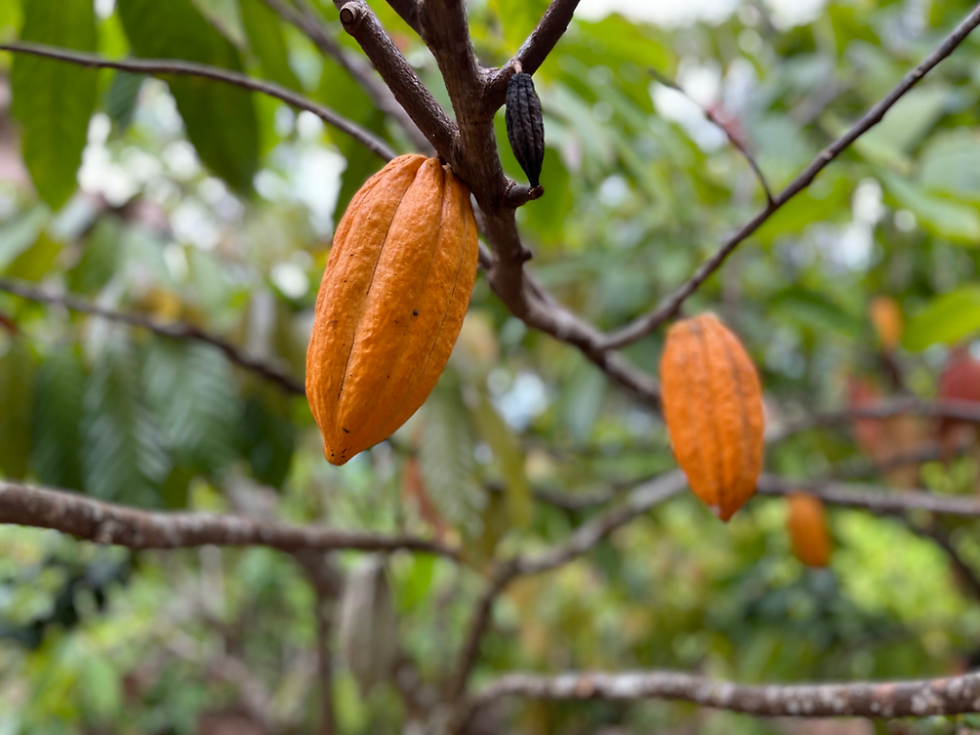
Cacao trees thrive in a narrow band around the equator known as the Cacao Belt. This region, roughly between 20 degrees north and south of the equator, provides the warm temperatures, high humidity, and consistent rainfall that cacao needs to flourish.
Major growing regions include:
West Africa – Ghana and Ivory Coast produce the majority of the world's cacao supply. The climate is ideal, and farming has deep generational roots in these areas.
Latin America – Countries like Ecuador, Peru, Colombia, and Mexico grow some of the most prized fine flavor cacao in the world. Ecuador's Arriba Nacional is considered among the finest.
The Caribbean – Trinidad, Dominican Republic, and Jamaica produce small but highly regarded quantities of cacao with complex, distinctive flavor profiles.
Southeast Asia – Indonesia and Vietnam contribute significantly to global supply, often producing cacao with earthy, robust characteristics.
According to the Cocoa Bean Wikipedia entry, cacao was first cultivated by ancient Mesoamerican civilizations, who used it for ceremonial drinks and trade long before chocolate as we know it existed.
How Origin Affects Flavor
Just like wine or coffee, cacao reflects the environment where it grows. Soil composition, altitude, rainfall, and surrounding plant life all leave a mark on the bean's flavor.
Ecuadorian cacao, for example, tends toward floral and fruity notes. West African beans often bring a deep, classic cocoa flavor. Caribbean cacao can surprise you with a complexity closer to wine than candy.
Craft chocolate makers pay close attention to origin because a great bean, handled properly, does not need much else to taste remarkable.
Single Origin vs. Blended
Single origin chocolate comes from one region or even one farm. It is expressive and specific. Blended chocolate combines beans from multiple sources to build a more balanced, consistent flavor profile.
Neither is better. They are just different ways of telling the story of cacao.
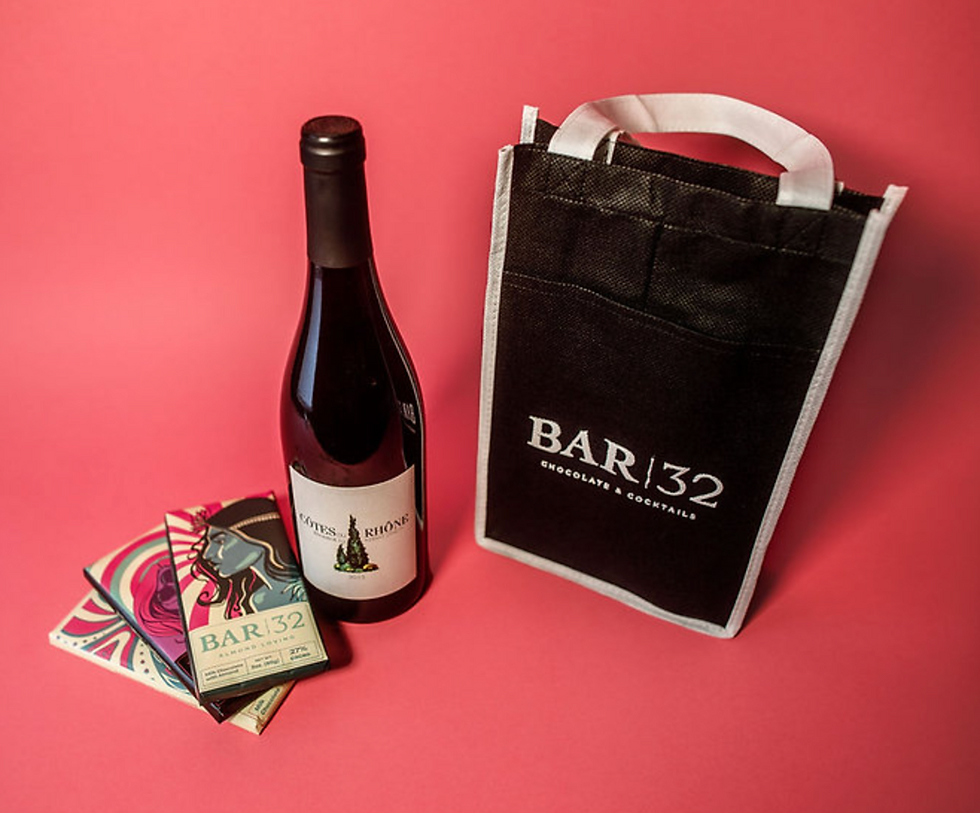
At Bar32, origin matters. Their approach to sourcing is part of what makes each bar distinct. Explore their shop to taste what different cacao origins can produce.
FAQ
Where does most of the world's cacao come from?
West Africa, particularly Ivory Coast and Ghana, accounts for the majority of global cacao production. However, Latin America and the Caribbean produce much of the world's fine flavor cacao.
Does cacao origin really affect the taste of chocolate?
Yes, significantly. The region, soil, and farming conditions all influence the flavor compounds in the bean. A bar made from Ecuadorian cacao will taste noticeably different from one made with West African beans.
What is single origin chocolate?
Single origin chocolate is made from cacao sourced from one specific region or farm. It highlights the unique flavors of that particular place rather than blending multiple sources together.
What is the Cacao Belt?
The Cacao Belt is the tropical zone roughly 20 degrees north and south of the equator where cacao trees grow best. Most of the world's cacao is produced within this geographic band.

Comments