


Cacao Producing Countries: Where Does Chocolate Grow?
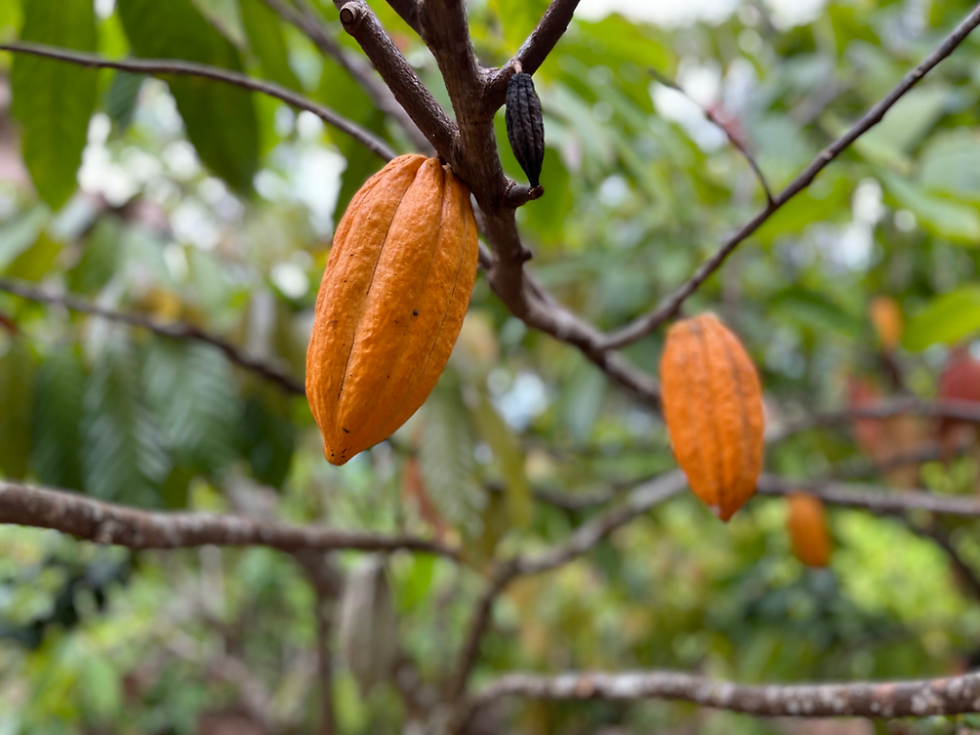
Nearly all of the world’s chocolate starts in the same narrow band of the globe. Cacao trees are finicky, and understanding where cacao is grown explains a lot about why chocolate tastes and costs the way it does. The leading cacao producing countries cluster almost entirely within about 20 degrees of the equator, where the heat, humidity, and rainfall cacao trees need occur naturally. From there, small differences in soil, elevation, and climate between regions create real differences in flavor, which is part of why a bar made from West African cacao can taste noticeably different from one made with beans grown in Ecuador.
The World’s Leading Cacao Producing Countries
West Africa: The Global Center of Cacao
West Africa dominates global cacao production by a wide margin. Ivory Coast alone produces close to 1.9 million tonnes of cacao annually, accounting for roughly a third of the world’s total supply and making it by far the single largest producer anywhere. Ghana follows as the region’s second-largest producer, harvesting around 530,000 tonnes a year, with Nigeria and Cameroon each contributing several hundred thousand tonnes more. Together, this small cluster of West African countries supplies the overwhelming majority of the cacao used in mass-market chocolate worldwide. Cacao grown in this region tends to have a straightforward, classic chocolate flavor, which is part of why it’s so widely used as the base for large-scale chocolate production.
Southeast Asia: A Smaller but Significant Producer
Indonesia is the largest cacao producer outside of West Africa, harvesting more than 600,000 tonnes annually and ranking among the top producers globally. Cacao cultivation in Indonesia and neighboring Papua New Guinea developed more recently than in West Africa or Latin America, but the region has grown into a meaningful supplier, particularly for chocolate makers looking for beans with a slightly different flavor profile than what’s typically available from African cacao. Beans from this region often carry a milder, less acidic flavor than their West African or Latin American counterparts.
Latin America: Cacao’s Original Home
Latin America holds a different kind of significance in this story, since cacao originated in the Amazon basin long before it was cultivated commercially anywhere else. Ecuador is the region’s largest modern producer, harvesting roughly 400,000 tonnes a year, and is especially well known among chocolate makers for its Nacional cacao variety, prized for floral and fruity notes that are harder to find elsewhere. Brazil and Peru follow as major regional producers, each contributing distinct flavor characteristics shaped by their specific growing conditions, while smaller producers like Colombia and the Dominican Republic round out the region’s overall output. Because of this deep historical connection, cacao from Latin America is often marketed as single-origin chocolate, highlighting the specific country or even the specific farm the beans came from.
A Quick Regional Breakdown
West Africa (Ivory Coast, Ghana, Nigeria, Cameroon): the largest cacao-producing region by far, supplying most of the world’s mass-market chocolate.
Southeast Asia (Indonesia, Papua New Guinea, the Philippines): a smaller but meaningful producing region, known for milder-flavored beans.
Latin America (Ecuador, Brazil, Peru, Colombia, the Dominican Republic): cacao’s historical home, often associated with fruitier, more distinctive single-origin flavor profiles.
How Climate and Geography Shape Chocolate
Cacao trees are genuinely particular about their growing conditions. They need consistent warmth, high humidity, regular rainfall, and some shade, which is exactly why viable cacao farming is limited to a relatively narrow strip of tropical land around the equator, sometimes called the cacao belt. Within that belt, though, plenty of variation still exists. Elevation affects how slowly cacao pods mature, which in turn affects flavor development. Soil composition influences the mineral content the tree absorbs. Even the specific cacao variety grown, whether Forastero, Criollo, or Trinitario, plays a major role in the final flavor, independent of where it’s grown.
This is part of why bean-to-bar chocolate makers put so much emphasis on sourcing. A bar made from Ecuadorian Nacional cacao might carry bright, fruity notes, while a bar made from West African cacao often leans into deeper, more classic chocolate flavor with less fruit character. Neither is better on its own; they’re simply different expressions of the same crop shaped by geography.
Processing matters just as much as growing conditions. After harvest, cacao beans are fermented for several days, then dried, before they’re ever roasted or ground into chocolate. Fermentation time and technique vary by region and even by individual farm, and this step alone can shift a chocolate’s flavor as much as the growing climate does. Two farms located a short distance apart, using the same cacao variety, can still produce noticeably different beans simply because they ferment and dry their harvest differently.
Why This Matters for the Chocolate You Buy
Understanding cacao producing countries isn’t just trivia for chocolate enthusiasts. It affects pricing, availability, and flavor consistency across the entire industry. Cacao is an agricultural commodity, which means weather events, crop disease, or political instability in a major producing country like Ivory Coast can affect chocolate prices and supply worldwide, something the industry has seen play out firsthand in recent years as cacao prices have swung significantly due to poor harvests in West Africa. It’s also part of why sourcing transparency has become such a bigger part of the conversation around quality chocolate in recent years, since knowing where and how cacao was grown says a lot about both its flavor and the conditions under which it was farmed, including whether farmers were fairly compensated for the crop.
At Bar32, our approach to chocolate starts with paying attention to exactly this kind of detail. Our bean-to-bar process means we’re involved in the chocolate from the raw cacao stage all the way through to the finished bar, rather than relying on generic, pre-made industrial chocolate. You can read more about our approach and sourcing philosophy on our Our Story page, or see how it comes together in the bars themselves over in our chocolate shop.
Key Takeaways
The leading cacao producing countries, Ivory Coast, Ghana, Indonesia, Nigeria, Cameroon, and Ecuador, sit almost entirely within a narrow tropical band near the equator known as the cacao belt.
Ivory Coast alone supplies roughly a third of the world’s cacao, making West Africa the dominant global production region.
Latin America, particularly Ecuador, is cacao’s historical birthplace and remains prized for distinct, often fruitier flavor profiles.
Climate, elevation, soil, and cacao variety all shape a chocolate’s final flavor, which is why beans from different regions taste noticeably different.
Understanding where cacao is grown helps explain both chocolate pricing and the growing emphasis on sourcing transparency in the industry.
Frequently Asked Questions
What country produces the most cacao in the world? Ivory Coast is the world’s largest cacao producer, supplying roughly a third of the global cacao supply, followed by Ghana and Indonesia.
Where is cacao originally from? Cacao originated in the Amazon basin of South America, and Latin American countries like Ecuador remain known for distinct, high-quality cacao varieties today.
Why does cacao only grow near the equator? Cacao trees require consistent warmth, high humidity, regular rainfall, and partial shade, conditions that occur naturally only within roughly 20 degrees of the equator, an area often referred to as the cacao belt.
Does where cacao is grown actually affect chocolate flavor? Yes. Climate, soil, elevation, and cacao variety all influence flavor, which is why chocolate made from Ecuadorian cacao can taste noticeably different from chocolate made with West African or Southeast Asian beans.
What is single-origin chocolate? Single-origin chocolate is made from cacao sourced from one specific country, region, or even a single farm, rather than blending beans from multiple sources. It’s a common way for bean-to-bar makers to highlight the distinct flavor characteristics tied to where the cacao was grown.


Comments