


Chocolate Tasting Experiences

Most people eat chocolate quickly. They unwrap it, bite into it, and move on. But chocolate, especially craft chocolate, has a lot more to say when you slow down and actually listen.
A chocolate tasting experience is a deliberate, focused way of engaging with chocolate that teaches you to notice what your palate is picking up and why. Whether you are new to it or already a chocolate enthusiast, learning how to taste is one of the best ways to deepen your appreciation.
Why Tasting Matters
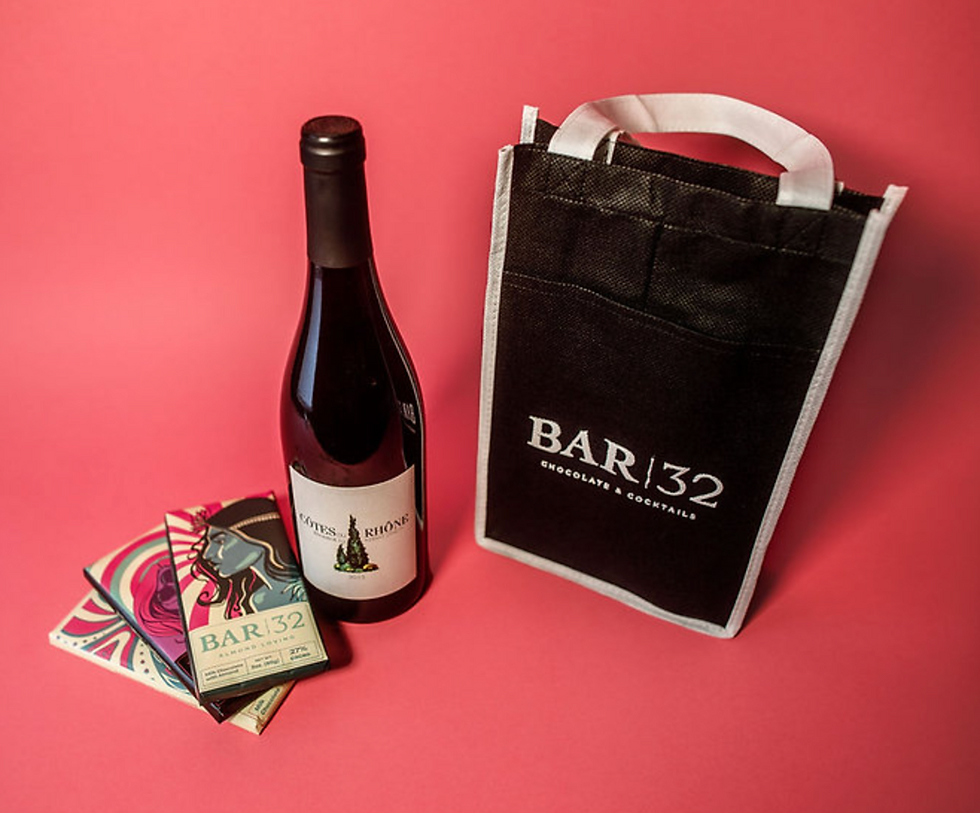
Craft chocolate carries flavor complexity that you simply cannot pick up in a hurry. A tasting experience, whether guided or self-directed, trains your senses to find those layers. At Bar32, the experience of chocolate is central to everything. Learn more about their experience offerings and how they guide guests through the world of craft chocolate.
How to Taste Chocolate: A Step-by-Step Guide
Step 1: Look
Before you taste anything, observe the chocolate. Good chocolate has a smooth, even surface with a slight sheen. Bloom, which shows up as a white or gray haze, indicates improper tempering or storage. Color can also hint at origin and roast level.
Step 2: Snap
Break the chocolate and listen. A clean, sharp snap is a sign of proper tempering and a well-made bar. A dull or crumbly break suggests moisture issues or poor technique.
Step 3: Smell
Hold the broken piece near your nose and inhale slowly. You may notice fruit, nuts, wood, earth, or something floral. Aroma accounts for a significant portion of what we perceive as flavor, so this step matters more than most people expect.
Step 4: Place and Wait
Place the chocolate on your tongue and resist the urge to chew right away. Let it melt. As it warms, the fats release the aroma compounds upward into your nasal cavity, where most of the flavor detection actually happens.
Step 5: Notice the Flavor Notes
As the chocolate melts, pay attention to the initial flavor, then what develops in the middle, and finally the finish. Common notes in craft chocolate include:
Fruity: cherry, raspberry, dried fig, citrus
Nutty: almond, hazelnut, cashew
Floral: jasmine, rose, lavender
Earthy: tobacco, leather, forest floor
Sweet: caramel, vanilla, honey
Step 6: Evaluate the Finish
The finish is how long the flavor lingers after the chocolate has melted. A long, complex finish is often a sign of high quality cacao and careful processing.
FAQ
What is a chocolate tasting experience?
A chocolate tasting experience is a guided or self-directed process of evaluating chocolate using your senses. It involves assessing appearance, aroma, texture, flavor notes, and finish to better understand and appreciate what you are eating.
How do I identify flavor notes in chocolate?
Start by slowing down. Let the chocolate melt on your tongue rather than chewing it immediately. Pay attention to what you smell, then notice the initial taste, mid-palate, and finish. With practice, distinct notes like fruit, nuts, or floral tones become easier to identify.
What makes craft chocolate different to taste?
Craft chocolate uses high quality, carefully sourced cacao and minimal processing. This preserves more of the bean's natural flavor complexity. The result is a richer, more layered experience than most commercial chocolate can offer.
Do I need special training to taste chocolate?
No. Anyone can develop their palate with practice. Start with a few bars side by side from different origins and pay attention to the differences. That comparison is one of the fastest ways to learn what your palate responds to.

Comments